Phuket — Thailand's largest island — is famous for its stunning beaches, vibrant culture, and relaxed pace of life. To truly discover its hidden corners and reach places that tour buses and public transport simply don't serve, renting a car in Phuket is the most practical choice. Having your own vehicle means freedom to plan a personal itinerary and visit every spot on your wish list at your own pace.
There are many car rental companies on the island, from international chains to small local operators. Before booking, it's worth understanding the rental conditions — even experienced travellers benefit from knowing the local specifics. This guide covers the essential information about car hire in Phuket to help you avoid unwanted surprises.
What Car Models Available
Standard Class
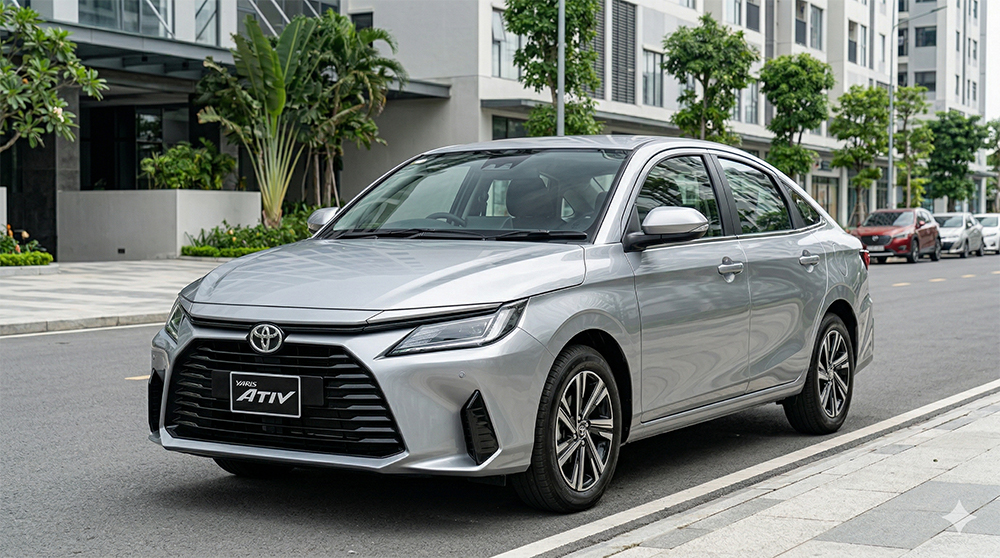
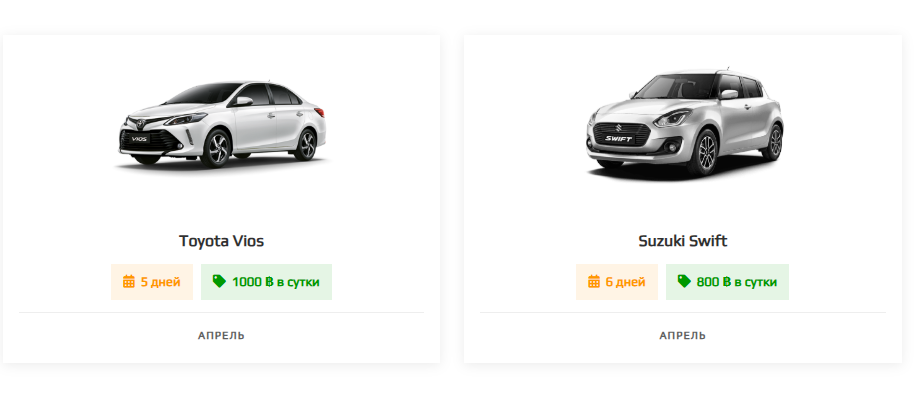
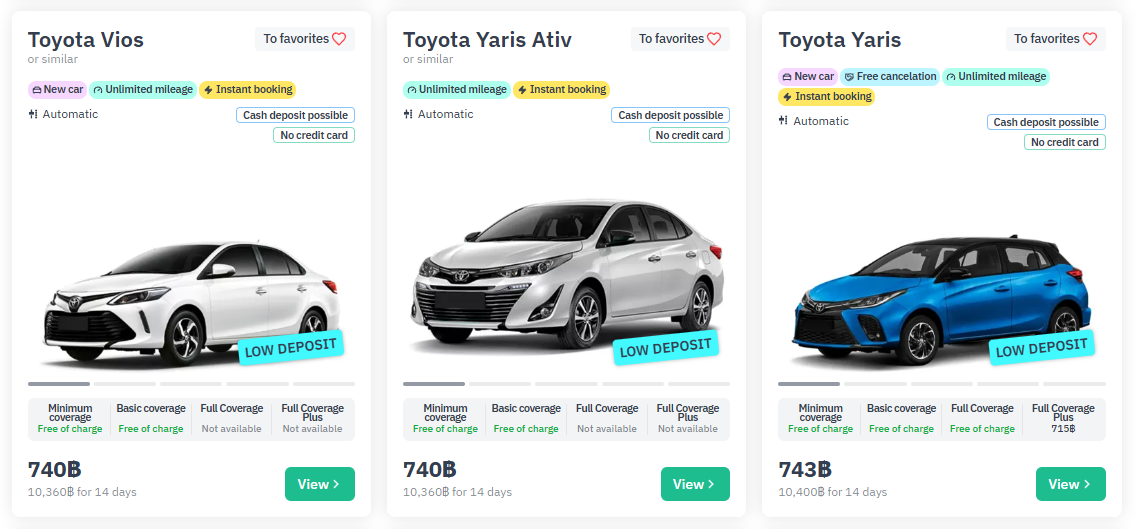
The entry segment features compact sedans and hatchbacks from Toyota and Honda, less commonly Mazda, Nissan, Suzuki and Mitsubishi. Models in this category include: Toyota Vios, Toyota Yaris Ativ, Nissan Almera, Honda Jazz, Honda City, Nissan March (Micra), Mazda 2, Suzuki Swift, Mitsubishi Mirage and Attrage.
All come with automatic transmission and engines ranging from 1.2 to 1.5 litres. They seat up to 5 passengers including the driver. Boot space varies by model — worth checking before you book.
Minivan Class
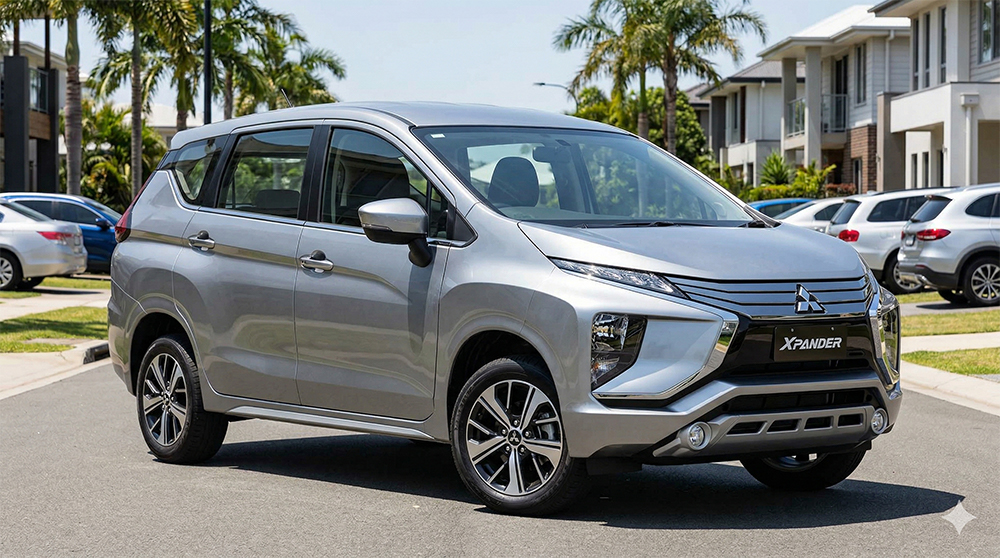
For larger groups or families travelling with plenty of luggage, a minivan is the smart option. These vehicles have engines from 1.5 litres, automatic gearboxes, and three-row seating for up to 7 passengers. Available models include Honda Mobilio, Toyota Avanza, Toyota Innova, Mitsubishi Xpander, and Toyota Veloz.
A standard international Class B driving licence is sufficient — no special permit required.
Premium Class and SUVs
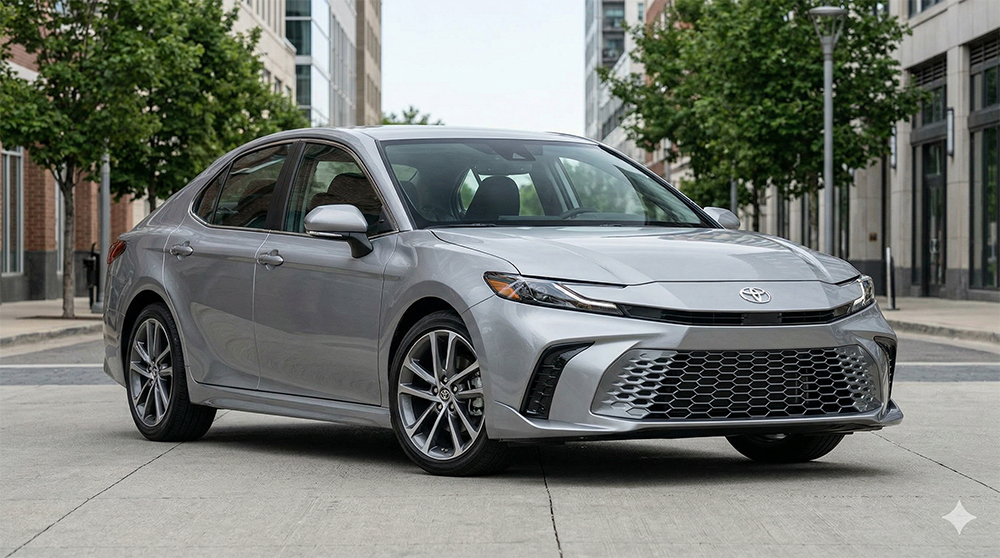
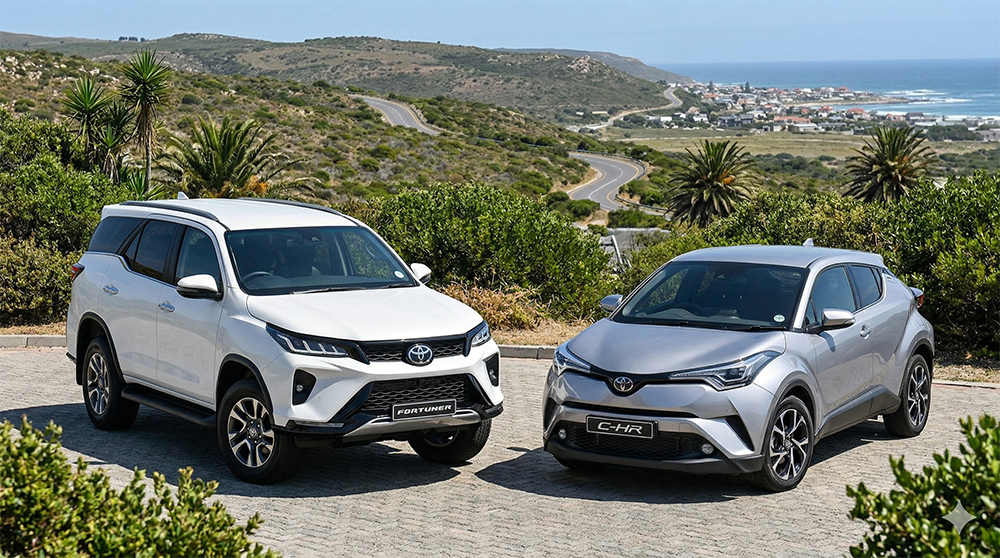
For travellers who value comfort and performance, premium cars and SUVs are the way to go: roomy cabins, solid sound insulation, powerful engines of 1.6–2.0 litres, and generous equipment lists. The top business-class pick is the Toyota Camry; for maximum space and off-road capability, the Toyota Fortuner is the obvious choice. Entry-level premium options include the Mazda CX-3, Mazda CX-5, Toyota Corolla Cross, Mazda 3, and Toyota Corolla Altis.
How Much Does It Cost to Rent a Car
There is no fixed price list: each company sets its own rates depending on the model, season, rental duration, and the distance between the company's office and the delivery point. The longer you rent, the lower the daily rate — renting for three weeks often costs the same as a full month. The best discounts apply to multi-month rentals with full prepayment.
A convenient way to compare current prices and available vehicles is through the Phuket car rental service — you can see the price, boot volume, and full conditions of each offer at a glance.
Security Deposit
Most rental companies require a security deposit paid alongside the rental fee. It can be left as cash (Thai Baht or USD) or blocked on a bank card. International chains typically require a credit card; local operators generally accept cash.
The deposit is returned on the day you hand the car back — in full or partially, depending on the vehicle's condition. Any new damage found that was not present at pick-up will be deducted from the deposit. The exact deposit amount must be stated in the rental agreement.
Delivery Cost
Many companies offer free delivery to any location on the island. However, if the rental office is far from your hotel, a delivery fee may apply. For example, collecting a car from the north of the island (Mai Khao beach or the airport) when the office is based in Rawai can cost upwards of 500 Baht one way. Always confirm delivery terms when booking — for longer rentals it is often included in the total price.
For general information on Thai traffic rules, the full booking process, and how to avoid common mistakes when renting a car in Thailand, refer to the dedicated article on the website.
Can You Drive a Rental Car Outside Phuket?
Most rental companies prefer not to let their cars leave the island. For rentals longer than five days, some operators may allow short trips to neighbouring provinces — subject to individual agreement with the manager.
It's important to understand that outside the island, roadside assistance is not available. Any issues — police formalities after an accident, a flat tyre, or a breakdown — are your responsibility to handle. Support is available by phone only. Do not provide a false itinerary: all rental cars are fitted with GPS trackers, and the company always knows where the vehicle is.
Refuelling in Phuket
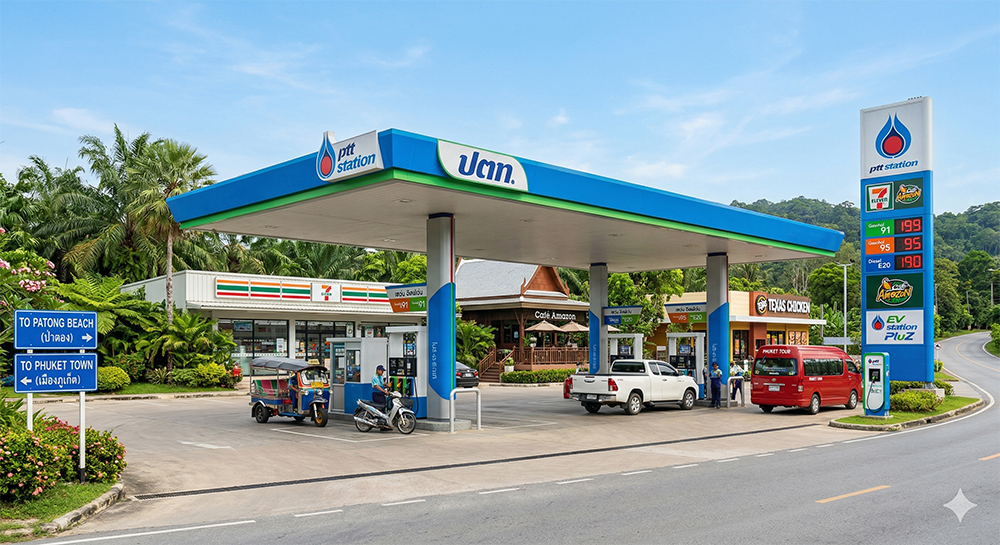
Most petrol-engine cars run on 91, 95, or E20 fuel. The recommended fuel type is shown on a sticker inside the fuel cap flap, behind the driver's door, or stated in the rental agreement. If in any doubt, ask the rental company.
The car is normally provided with a full tank. Petrol stations are mainly found on main roads and are rare in tourist areas — fill up in advance, ideally during the day. 24-hour stations are scarce; one is located on Thepkrassatri road near the airport. Opening hours for each station are shown on Google Maps. There is no need to leave the car when refuelling: tell the attendant the fuel type and the amount in litres or Baht, and hand over the money through the window. If you run out of fuel with no station nearby, roadside vending machines can be a lifesaver — they are primarily designed for motorbikes and charge a premium, but you can buy a litre or two to reach the nearest proper station. Select the fuel grade, the amount, and insert exact cash.
Where Parking in Phuket Is Prohibited
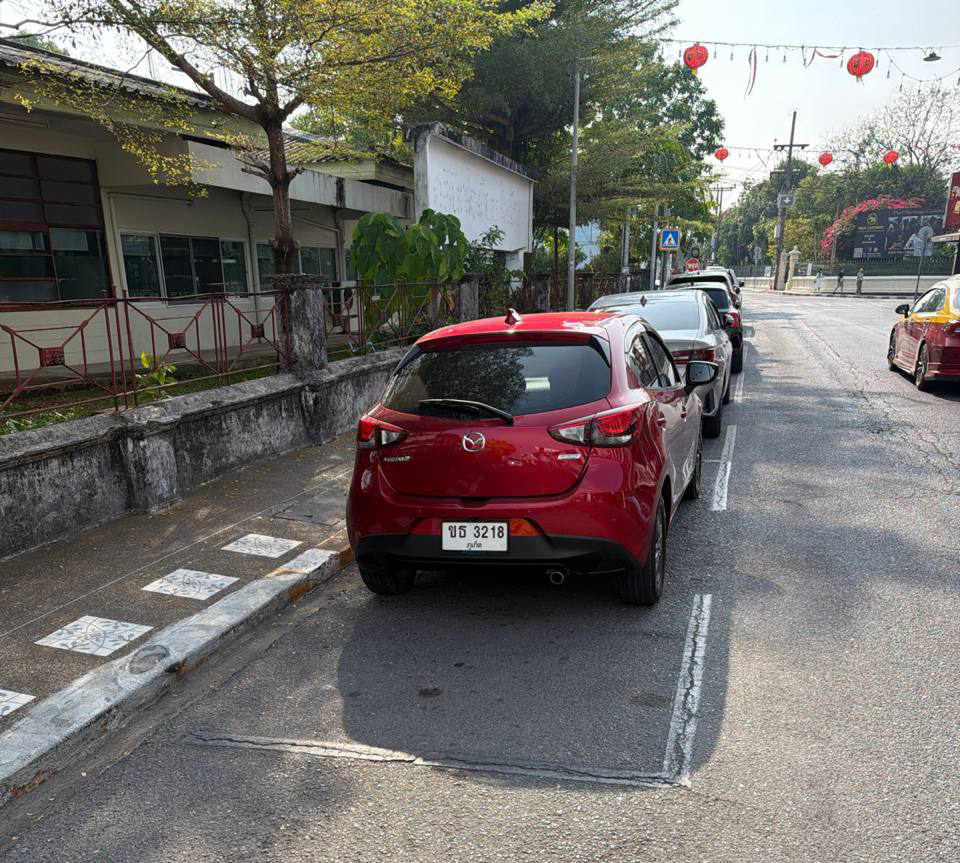
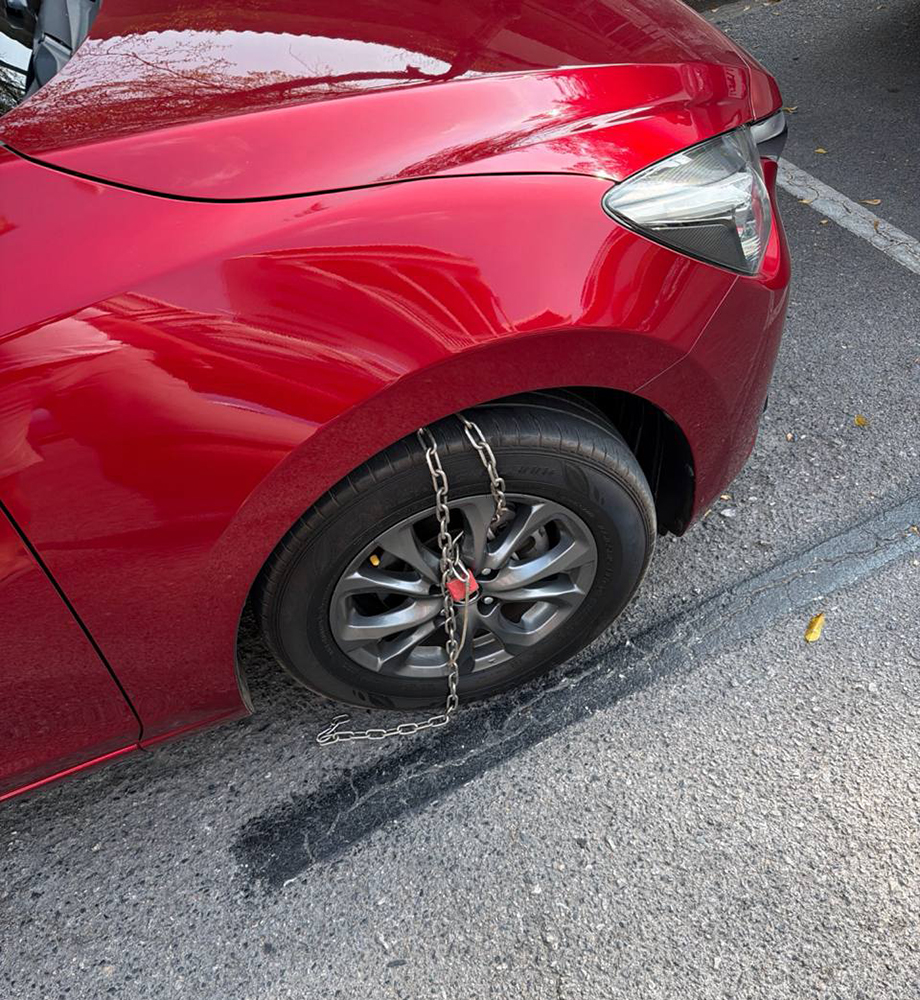
Parking in the wrong place can cost you a fine and ruin a day of your holiday. The key rule: if you see a coloured kerb, drive on. A yellow or red kerb means parking is prohibited at all times. Also watch for no-parking signs even where the kerb is black-and-white or unpainted.
Avoid stopping in taxi and tuk-tuk ranks. Drivers are protective of their spots and known to react badly to unauthorised parking — scratched bodywork or a punctured tyre are not uncommon. It's far better to park a little further away and keep the car — and your deposit — intact.
Breakdowns and Roadside Support
If you are involved in an accident or the car breaks down, notify the rental company's manager immediately. This is why it's worth choosing a company with 24-hour support and saving their contact number before you set off. Outside the island, on-site help is not available — everything is handled remotely. If the breakdown was not your fault, keep the receipt: repair costs will be reimbursed when you return the car.
Roads in Phuket
The island stretches roughly 60 km from north to south. The only road connection to the mainland is the Sarasin Bridge at the northern tip. There are two main arterial roads on the island:
- Thep Krassatri Road — a wide, fast central highway with 2–3 lanes in each direction. Used for trips to the airport, northern beaches, and neighbouring provinces.
- West Coast Road (Bypass road) — a scenic mountain route winding along the western coastline. The best option for travelling between beaches, though it takes longer.
The southern part of the island has heavy traffic and many single-lane roads. Congestion during morning and evening rush hours is common — allow extra time when heading to the airport.
One persistent myth is that you need a powerful engine to handle Phuket's hills. In practice, even a 1.2-litre Nissan March climbs to the Big Buddha monument in low gear (L mode) with four passengers and luggage without any trouble. Engine choice should be guided by the number of passengers, the amount of luggage, and the driver's experience.