Phuket, one of Thailand's most popular tourist destinations, attracts millions of visitors annually with its white beaches, picturesque views, and rich cultural heritage. Getting around the island is most convenient by rental car, as public transportation is poorly developed and taxis are quite expensive. Furthermore, with a car rental you're independent and can explore the island at your own pace. If you're planning to rent a car, it's important to know where gas stations are located. In this article, we'll tell you where to find gas stations on the island, what types of fuel are available, what prices to expect, and share additional tips to help you make your refueling experience as convenient and affordable as possible.
Where are the petrol stations in Phuket?
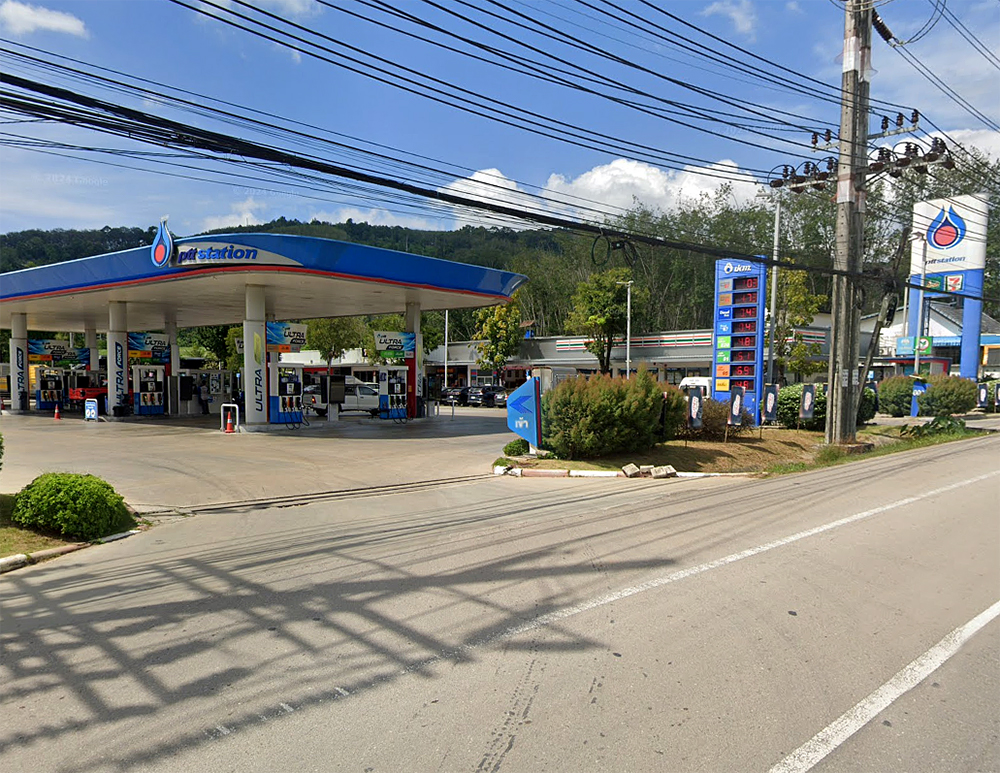
Gas stations are common and easy to find in Phuket. Tourists renting a vehicle can rest assured that they'll be able to refuel conveniently anywhere on the island. They look no different from petrol stations anywhere else in the world. Most are located along major roads. The main highway, Thepkrassatri Road, runs the length of the island, with branches leading to other areas, including tourist areas. The second main road is Chalermprakiat Ratchakan Thi 9 Road, or By Pass as it's commonly known. Gas stations are rare in tourist areas. For those renting a car immediately upon arrival on the island, it's important to know that several gas stations are located near the international airport. However, rental cars are typically delivered with a full tank of fuel. Be sure to confirm this in advance when booking, as you'll need to have cash in baht to pay for gas if you need to stop at a petrol station. Tourists often prefer not to use currency exchange offices at the airport due to unfavorable rates.
To find a gas station, use Google Maps. Simply enter "gasoline station," "gas station," or "petrol station" in the search bar, and all options will be shown. Save the location of the nearest ones in advance so you don't lose them if you don't have internet access. You can also always ask locals for help. For easier communication, use an online translator, or download a photo of the gas station from the internet and show it to them.
What kind of gasoline should I use for a rental car in Phuket, Thailand?
There are several types of fuel available in Thailand:
Gasoline: 91, 95, E20, E85
Diesel
Liquefied petroleum gas (LPG)
Electricity (the number of charging stations for electric vehicles is gradually increasing)
Biodiesel (available at some stations)
In Thailand, gasohol is the predominant fuel used. It's a mix of ethanol and regular gasoline. Gasohol 91 contains 10% ethanol and 90% 91-octane gasoline, while Gasohol 95 is 10% ethanol and 90% 95-octane gasoline. Car fuel tanks usually indicate the preferred fuel type. You can follow the manufacturer's recommendations or choose your own. If you're renting a car, be sure to check with the rental company about the correct gasoline to avoid any potential problems. This is often specified in the rental agreement. Pay close attention to this, as any engine damage caused by using the wrong fuel will be your financial responsibility. Some rental cars, such as the Toyota Fortuner SUV, are equipped with diesel fuel. This is also a very important consideration.
In addition to 91 and 95, E20 and E85 are also available (less common). This special fuel was developed specifically to reduce air pollution. It contains 20% ethanol and 80% 91 gasoline. It is recommended for new vehicles. However, due to the lower amount of pure gasoline, it produces less power and is better suited for scooters and cars with small engines up to 1.5 liters, such as the Toyota Yaris, Nissan March, Suzuki Swift, and others. Some gas stations in Phuket also offer pure 95 octane gasoline without any alcohol. It's usually listed in Thai rather than numbers. Drivers rarely use it due to the high price.
How much does petrol cost?
Petrol prices in Phuket fluctuate depending on global oil prices. They have increased significantly since 2021. Thailand has no domestic oil production, and the Kingdom exports crude from other countries. As of April 2024, the average price of 91 and 95 gasoline is approximately 40 baht ($1.20) per liter, pure 95 gasoline is 45 baht/liter ($1.50), and the most affordable E20 is 37 baht ($1.05). Fuel prices are the same at all chain gas stations, but private ones are usually higher. Rates also vary compared to the city. For example, refueling your vehicle on the mainland will be cheaper. Prices are highest on the islands of Koh Samui and Koh Phangan: 1.5-2 baht per liter higher. If you are planning a trip to these islands, we recommend refueling your car in advance on the mainland. There are many gas stations along the route to the ferry.
Gas stations
The island has both large chain gas stations (local and international) and smaller, privately owned ones, often located in tourist areas where chains aren't available. Most are open from 5-6 a.m. until late evening, with only a few open 24 hours. One of them is located near the airport. Hours can be found on the map.
PTT, or Ogonek as it is commonly known, is the most common local network of petrol stations in Phuket.
Caltex,
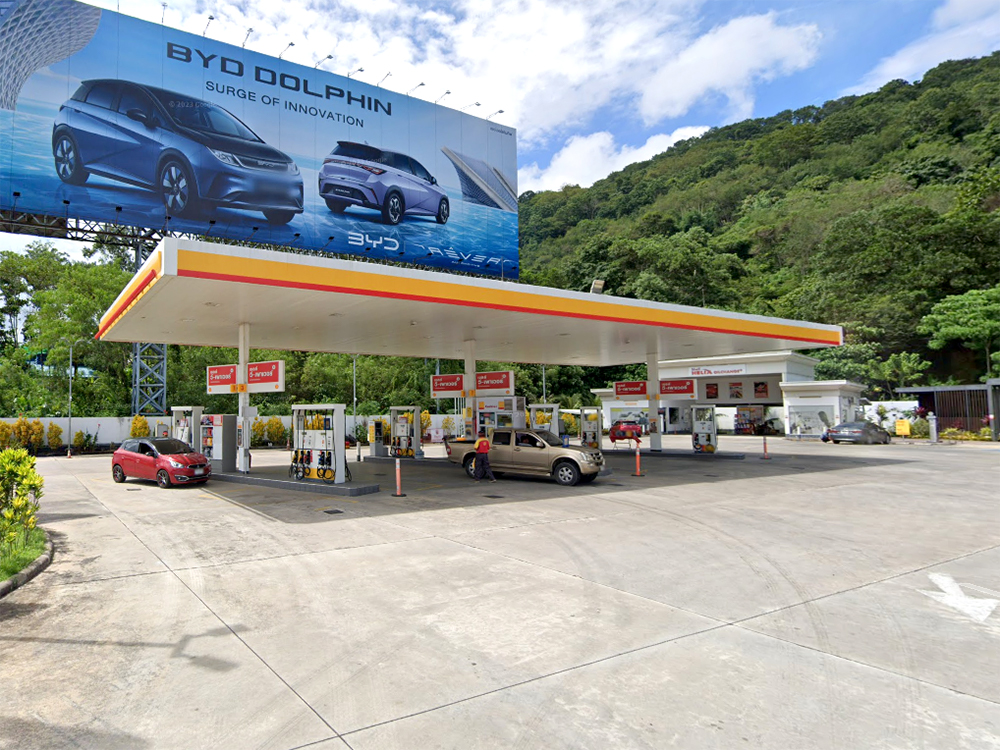
Shell,
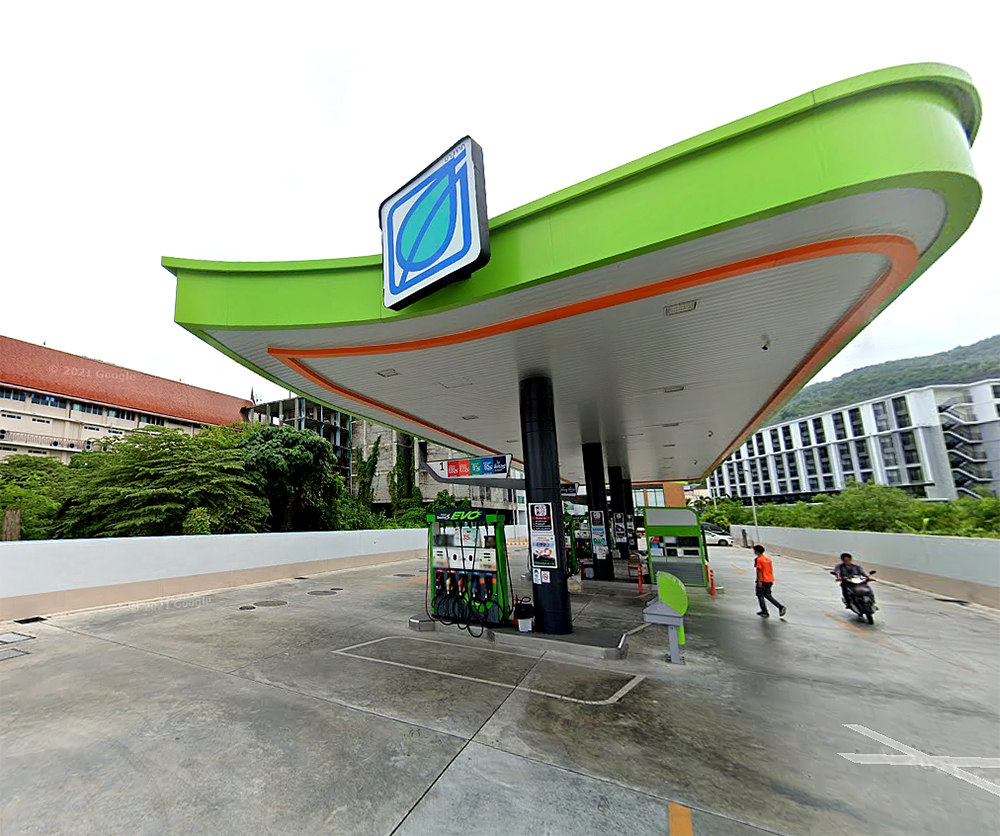
Bangchak (green leaf),
Susco,
Esso.
All stations are equipped with clean, free restrooms, and most have mini-stores where you can buy water or snacks for the journey. All PTT stations have 7eleven stores, Amazon coffee shops, and free tire inflation machines. Larger stations also have food courts, chain cafes, and clothing and souvenir shops.
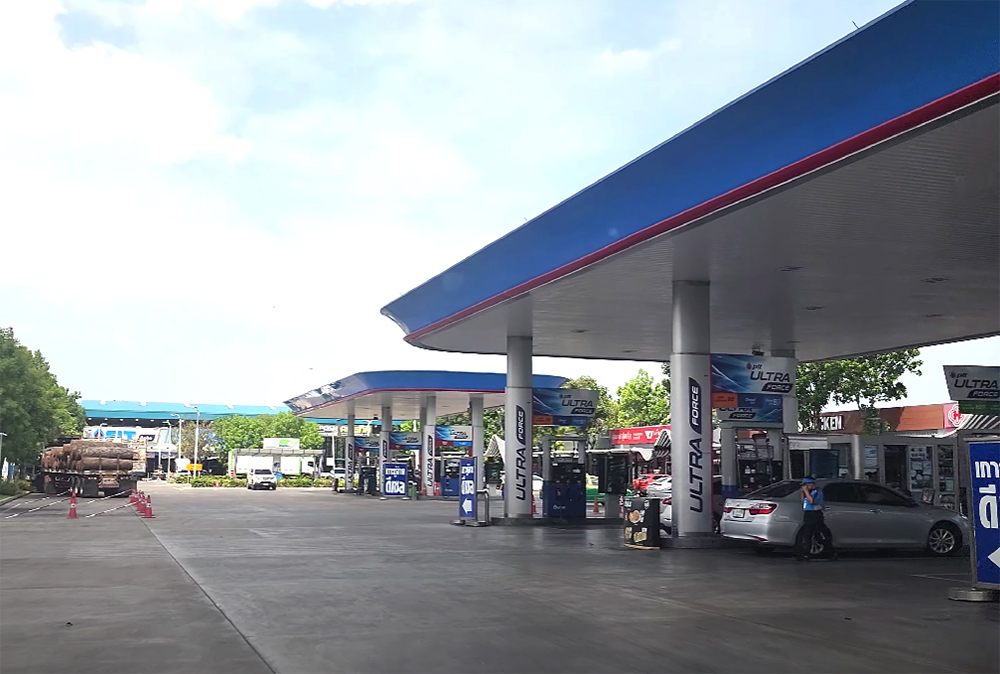
Here's how the refueling process works: you drive up to the pump of your choice, a staff member approaches, and you tell them the fuel type, the number of liters, or a specific amount. You can simply say "full," which means a full tank. In Thai, it's called "tem tang." You don't need to get out of your car. You also pay the staff member. You can pay in cash, but some stations accept debit and credit cards, but we don't recommend using cards, as there have been cases of card copying and theft. Additionally, for those with accounts at local Thai banks, payment is possible via QR code. Tipping the gas station attendant is at your discretion.
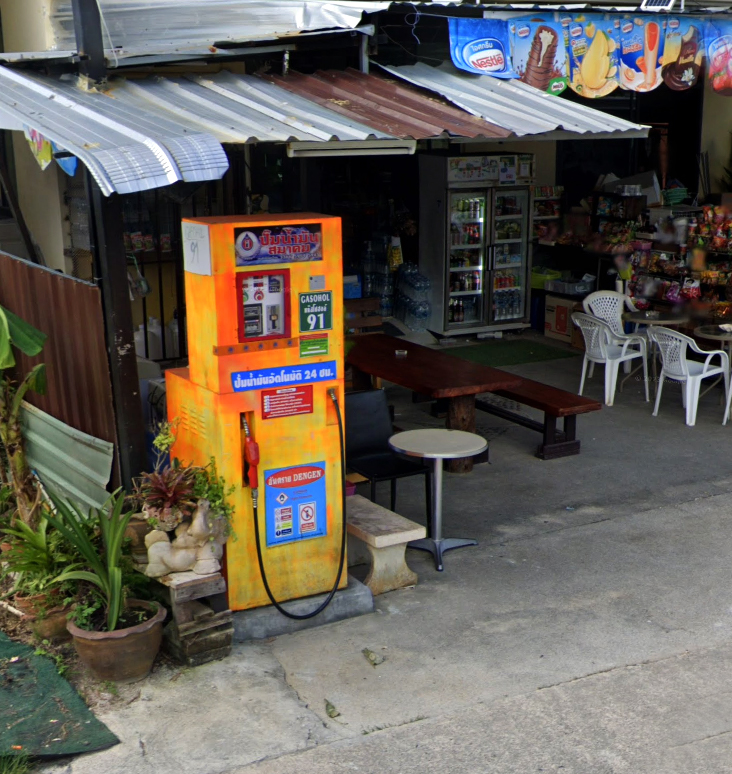
In addition to regular gas stations, the island has self-service gas pumps, open 24 hours a day. You choose the fuel type and quantity, and pay in cash without change. Refueling a car isn't very convenient, as the pressure is weak and you'll have to wait a long time. These pumps are better suited for scooters, which have small fuel tanks.
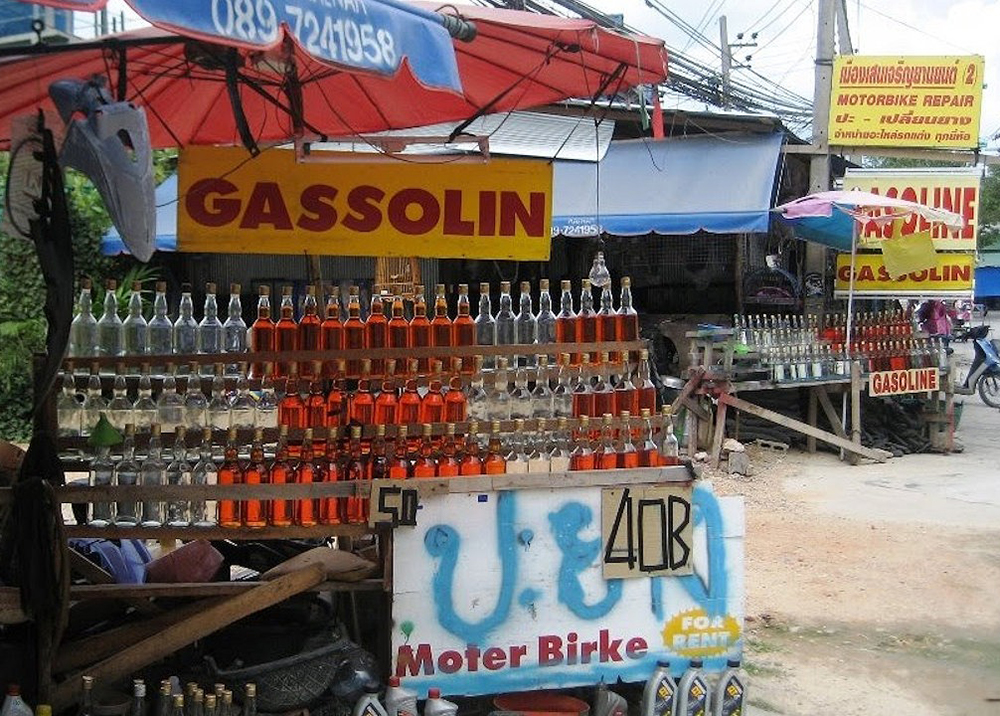
You may also see bottles of green or red liquid labeled "gasoline" along the roads. They're usually found near private stores, campsites, and other locations. We don't recommend buying this product, as it often contains very low-quality gasoline or no gasoline at all. It's more expensive than what you'll find at standard gas stations.
Helpful tips:
Compare prices at different gas stations before filling up. All major stations, regardless of brand, charge the same rates.
Be wary of gas stations that don't have a name. The gasoline there may be of poor quality.
Make sure you know how to refuel your car before you begin the process.
Pay attention to promotions at gas stations. For example, spend 1,000 baht and get a free bottle of water.
If you are renting a car, please check with the rental company what type of fuel is recommended.
Stock up on gasoline if you plan to travel outside populated areas. Gas stations may be unavailable for long distances.
Be aware of your surroundings and do not leave valuables unattended in your car.