Phuket is Thailand's crown jewel — a tropical island of stunning beaches and breathtaking landscapes. Exploring it by car unlocks freedom that organised tours simply can't offer, but it does require understanding the local road environment. If you're planning to rent a car in Phuket, these practical tips will help you drive safely and enjoy every moment on the island.
Do You Need an International Driving Permit to Rent a Car in Phuket?
Although Thailand is a signatory to the Vienna Convention on Road Traffic, local police consistently ask to see an International Driving Permit (IDP). Driving without one can result in a fine — typically 500 THB. A Thai driving licence is not required but can be obtained even on a tourist visa; the process takes several weeks, so it's worth considering only if you plan an extended stay on the island.
Choosing a Reliable Car Rental Company
Before you rent a car in Phuket, take time to research the company's reputation. The island offers a wide range of options: large international chains, local agencies and private owners. Private individuals are the riskiest choice — they usually operate without a legal entity, rarely provide a rental agreement, and in the event of a dispute you have no legal protection.
Always read the contract carefully: understand your financial liability in case of damage, confirm that the vehicle is insured, and check the deposit terms. An important point: demanding your passport as a deposit is illegal. If a rental operator insists on this, treat it as a red flag. Handing over your passport leaves you with no negotiating power at vehicle return — especially if you're returning the car at the airport with limited time before your flight.
Inspect the vehicle thoroughly before driving away. Document every scratch and dent — inside and out — with photos and video. This protects you when returning the car. Ask the operator what to do in the event of an accident: who to call and what steps to follow.
Is It Safe to Drive in Phuket?
Traffic Rules
Thailand drives on the left; overtaking is permitted only on the right; headlights must be on after dark; all passengers must wear seatbelts. The defining feature of Phuket's roads is the sheer number of motorbikes moving unpredictably. Always check your blind spots before any manoeuvre and don't rush forward the instant the light turns green — some drivers run red lights.
Pay special attention to young riders. The legal minimum age for riding a motorbike is 15, but enforcement is minimal. Children aged 10–12 on scooters without helmets are a common sight. Stay alert at all times.
Roads and Driving Culture
Phuket's road network varies from wide multi-lane highways to narrow mountain roads winding past beaches. Rush hours — 08:00–10:00 and 16:00–19:00 — bring significant congestion on major routes. Speed limits are 60 km/h in built-up areas and 100 km/h on main roads; speed cameras are in operation.
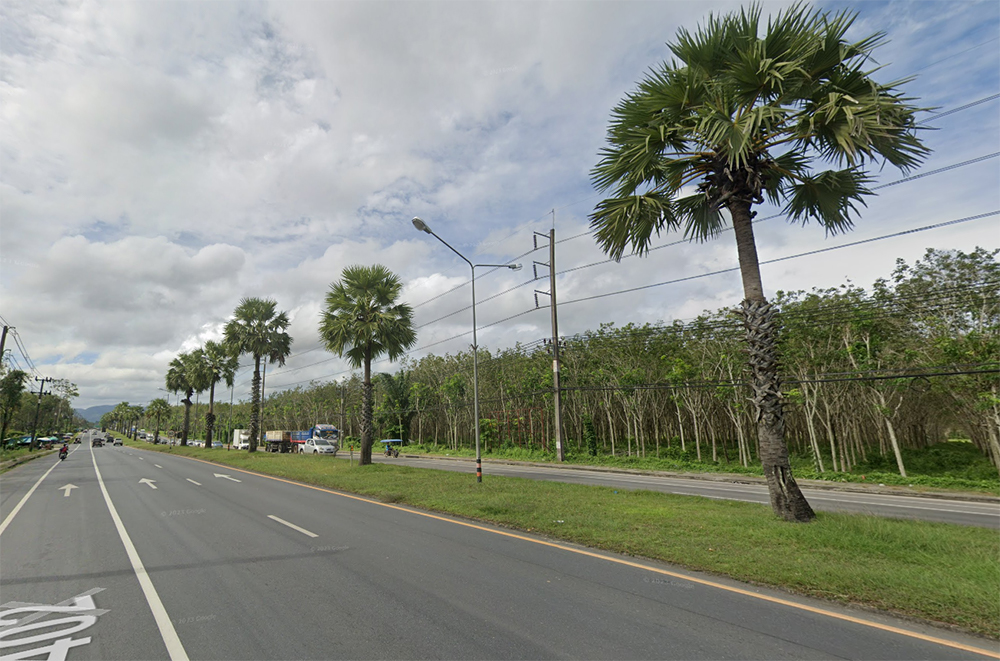
Motorbike riders frequently skip indicators, pull out of side roads without checking, ride against traffic and squeeze between vehicles. Spend some time observing local driving habits before getting behind the wheel. Maintain a safe following distance — it's not customary here, but it can prevent a collision.
Navigation and Route Planning
Download offline maps before you set out — they work without a mobile data connection and make navigation far simpler. Plan your route with traffic in mind and avoid peak hours on busy roads where possible.
Parking
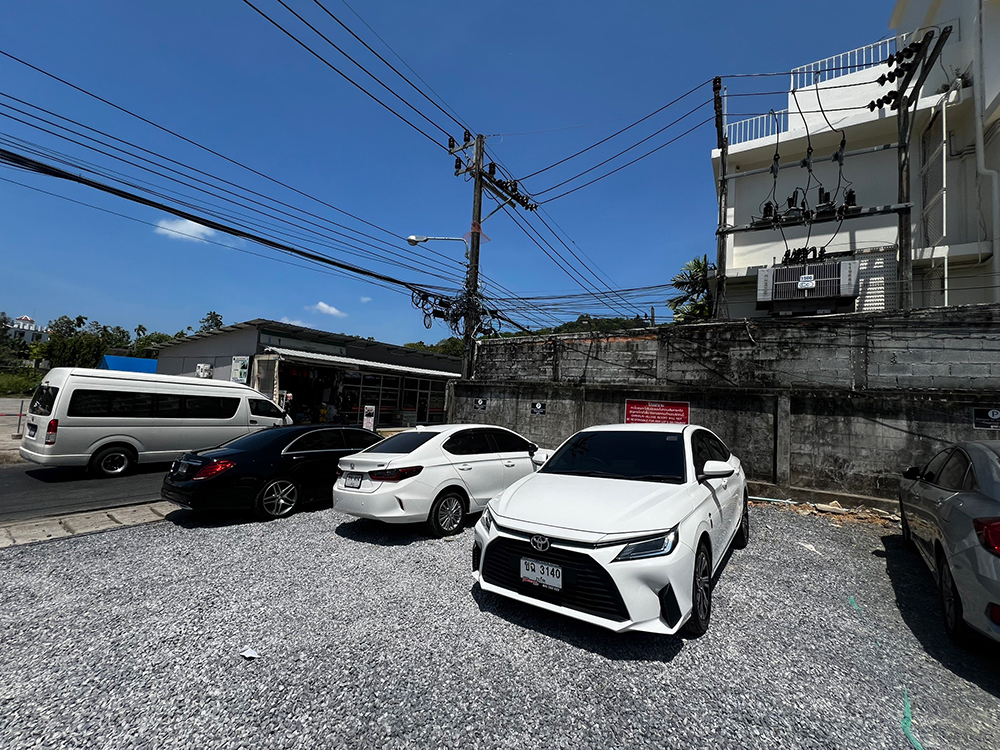
Use designated parking areas only (marked with a P sign or a car symbol). Never leave valuables visible in the car. Note kerb markings: red-and-white or yellow-and-white stripes indicate a no-stopping zone. Avoid parking in taxi bays — drivers take this seriously and your car may be damaged. Before take a car ask your hotel whether it has a private parking area. If not, a nearby shopping centre car park is a reliable and affordable alternative.
Drink Driving in Thailand
The legal blood alcohol limit is 0.5‰. Even so, we strongly advise against driving after any alcohol: your insurance will be void, and evening police checkpoints targeting drink drivers are routine. Penalties include licence disqualification (6 months to lifetime), fines up to 200,000 THB, or imprisonment up to 1 year.
Petrol Stations in Phuket
Fuel stations are not especially numerous on the island and are mostly located along main roads in the central areas — beach areas are underserved. Keep an eye on your fuel gauge before long trips; there are no 24-hour stations. Available fuels include 91, 95, E20 and diesel. E20 — an ethanol-petrol blend developed with royal family backing — is the most widely available and is the recommended grade for most modern vehicles; you'll usually find the correct type indicated on the fuel cap.
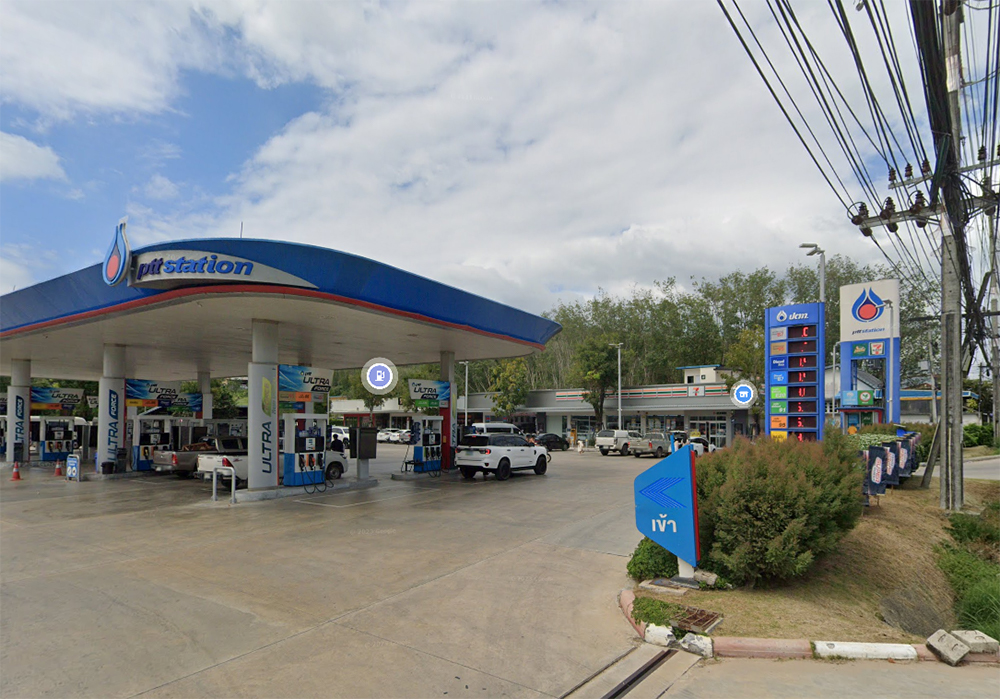
You may come across roadside vendors selling fuel in bottles — avoid these. The quality is unreliable and using such fuel risks engine damage.
Driving in Phuket is a rewarding experience when approached with care. Stay attentive, respect local road culture, and prepare ahead — and your car rental in Phuket will be a safe, enjoyable adventure.